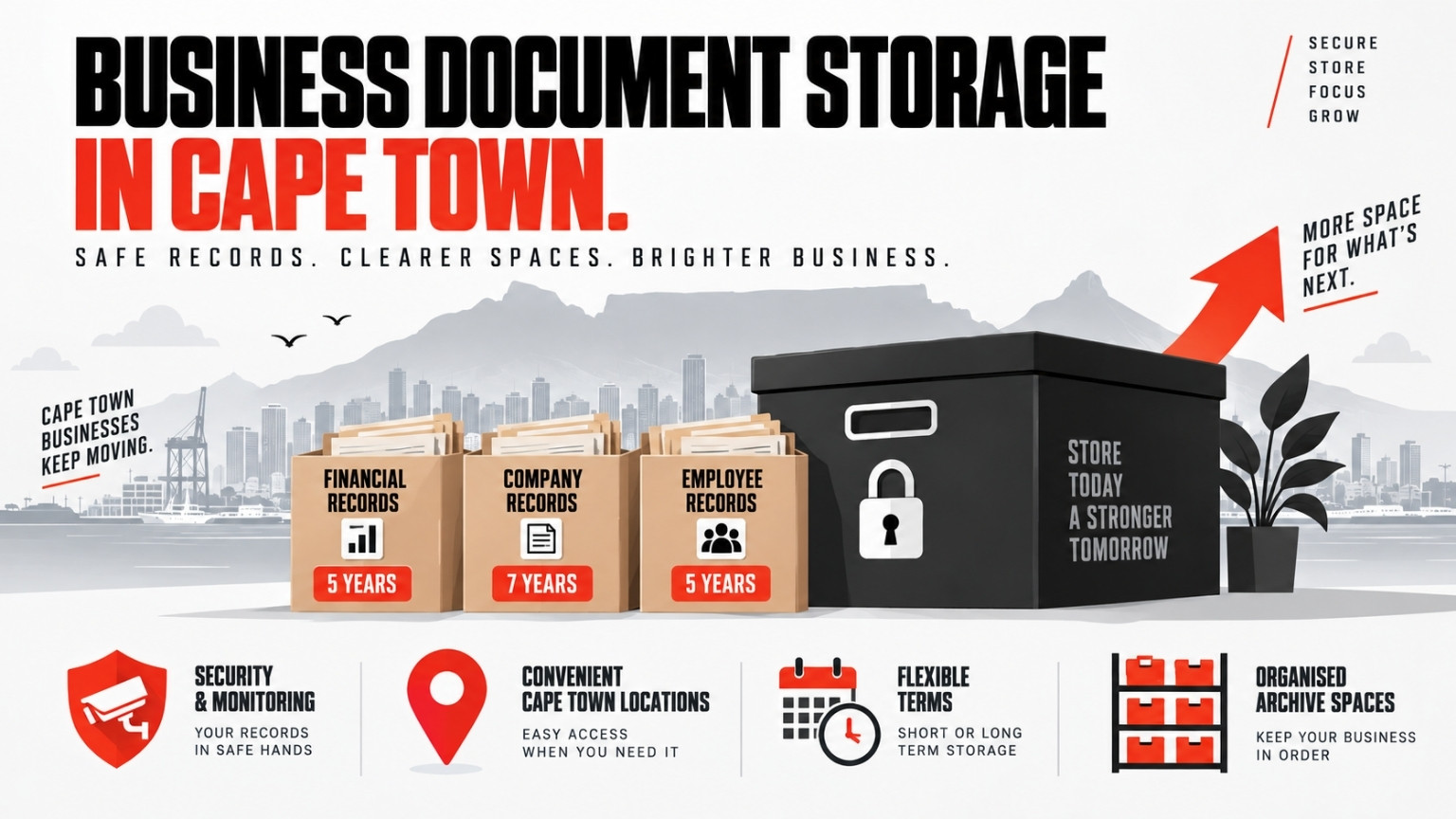
Paper records can take over office cupboards, spare desks, stock rooms, and work areas long after daily teams no longer consult each file. Archive boxes can reduce productive space for an entrepreneur or SME and make record retrieval harder than it should be.
Cape Town businesses can quickly lose working space to boxes of records that must be retained. Document storage gives those records a secure, organised place away from daily business activity.
The right option should account for confidentiality, retention periods, and an easy filing system, while freeing space for staff, stock, and equipment.
Archive volume can seem minor at first. A few boxes can fill one cupboard. A larger archive can soon compete with stock, desks, supplies, or equipment.
Off-site document storage can separate active records from older files and return office or operational space to tasks that support revenue, productivity, and growth.
Space is not the sole benefit. A defined archive system can reduce time spent on searches, support internal record control, and help teams distinguish current paperwork from records retained for tax, company, employment, or operational reasons.
Flexible storage can also help a business adjust its footprint when archive volumes increase or decrease, without permanent office space reserved for boxes that rarely leave the shelf.
Clearing packed filing cupboards is tempting, but the oldest documents are not automatically ready for destruction. Some records still serve a tax, legal, governance, or business purpose after regular reference ends. A documented retention policy provides the basis for disposal decisions.
Invoices, receipts, bank records, tax returns, and tax evidence often require retention for several years.
South African Revenue Service guidance sets a general five-year period for many tax records, measured from the relevant return date, with different rules in cases such as an audit, investigation, objection, or late return.
The Companies Act 71 of 2008 requires prescribed company records to be retained for seven years, with longer periods where another public regulation applies.
Examples include annual financial statements, financial records, shareholder resolutions and minutes, board records, and certain communications. A business should verify the statutory rule for each record category before destruction.
Sensitive information is not limited to employee records. Contracts, payroll paperwork, customer data, supplier records, and other business documents may contain personal details that should remain protected during storage.
The Protection of Personal Information Act requires appropriate technical and organisational measures against loss, damage, unauthorised destruction, or misuse.
Secure storage is one part of protecting business information. Staff permissions, retention periods, and document disposal still need to be managed within the business.
Price is one factor, but business owners should compare storage options against the way the archive will be managed. Saving on the monthly fee is not much of a saving if finding a file takes longer; sensitive records lack suitable protection, or archive space fills sooner than expected.
· Security: Confirm the security arrangements before confidential records leave the business, including CCTV, controlled entry, on-site security, unit locks and responsibility for stored documents.
· Retrieval: Confirm how frequently archived records are needed, who is authorised to retrieve them and whether site hours match business hours.
· Location: Compare travel time with your office, warehouse, or main routes, especially when archived records require regular retrieval.
· Flexibility: Choose a unit size that matches present archive volume and leaves measured capacity for records added over the next year.
· Storage conditions: Confirm that the unit is appropriate for paper records, and protect boxes from moisture, pests, floor contact, and poor placement.
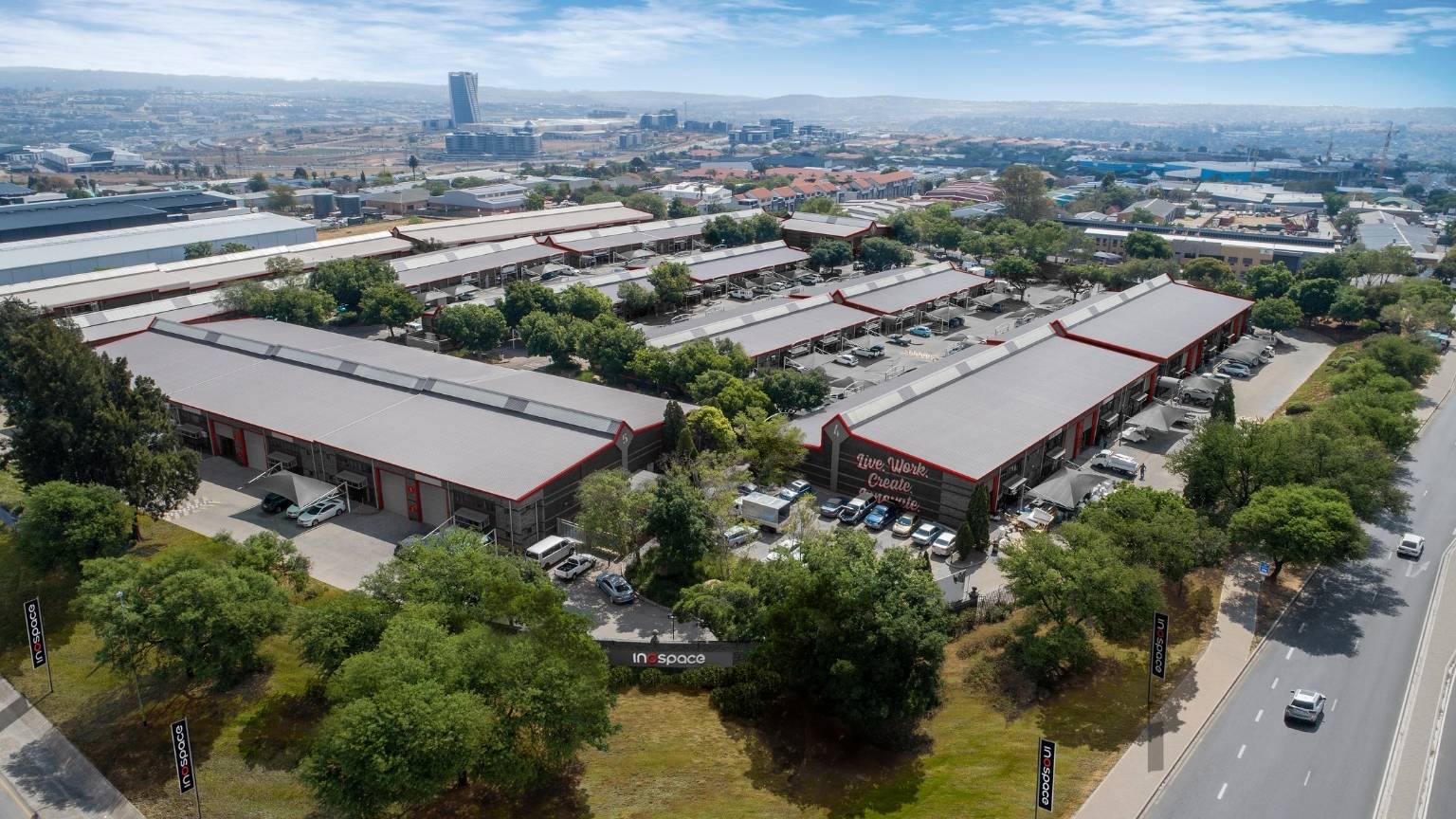
Inospace provides CCTV, controlled entry, on-site security, and individually locked self-storage units. Site hours differ and should be checked before committing. Month-to-month terms can support companies whose storage requirements change with archive volume, stock levels, or wider business growth.
Explore Inospace storage options in Cape Town when your business requires secure, flexible space for archived records, stock, or equipment.
Document storage can refer to two different service models. Self-storage provides dedicated space while the business controls box preparation, labels, archive register, retrieval, and disposal. A managed records service can include more direct archive administration.
The right route depends on how much internal control the company prefers.
Self-storage is suitable for businesses that can label boxes, maintain an internal register, control authorised entry, and retrieve records without specialist support.
A managed records company is suitable where the organisation requires provider-led catalogue control, file delivery, digitisation, or controlled destruction. Inospace provides self-storage, not a specialist archive administration service, which makes the distinction important before an enquiry.
Archive storage becomes easier to manage when the paperwork is organised before it leaves the business. Set retention periods, group records in a logical way, and assign responsibility for each box. An internal register with review dates and file details helps authorised staff find records when required.
· Verify retention dates: Confirm the required retention period for each document before placing records into archive storage.
· Separate active records: Retain frequently referenced files near the relevant team and move true archive material off-site.
· Group records logically: Sort boxes by department, year, client type, project, or record category under internal policy.
· Create box references: Give each box a unique code that links to an internal inventory without confidential details on the label.
· Record authorised staff: Document who can retrieve each record category, and review permissions when roles or responsibilities change.
· Set review dates: Assign a review or destruction date to each box, then verify legal duties before disposal.
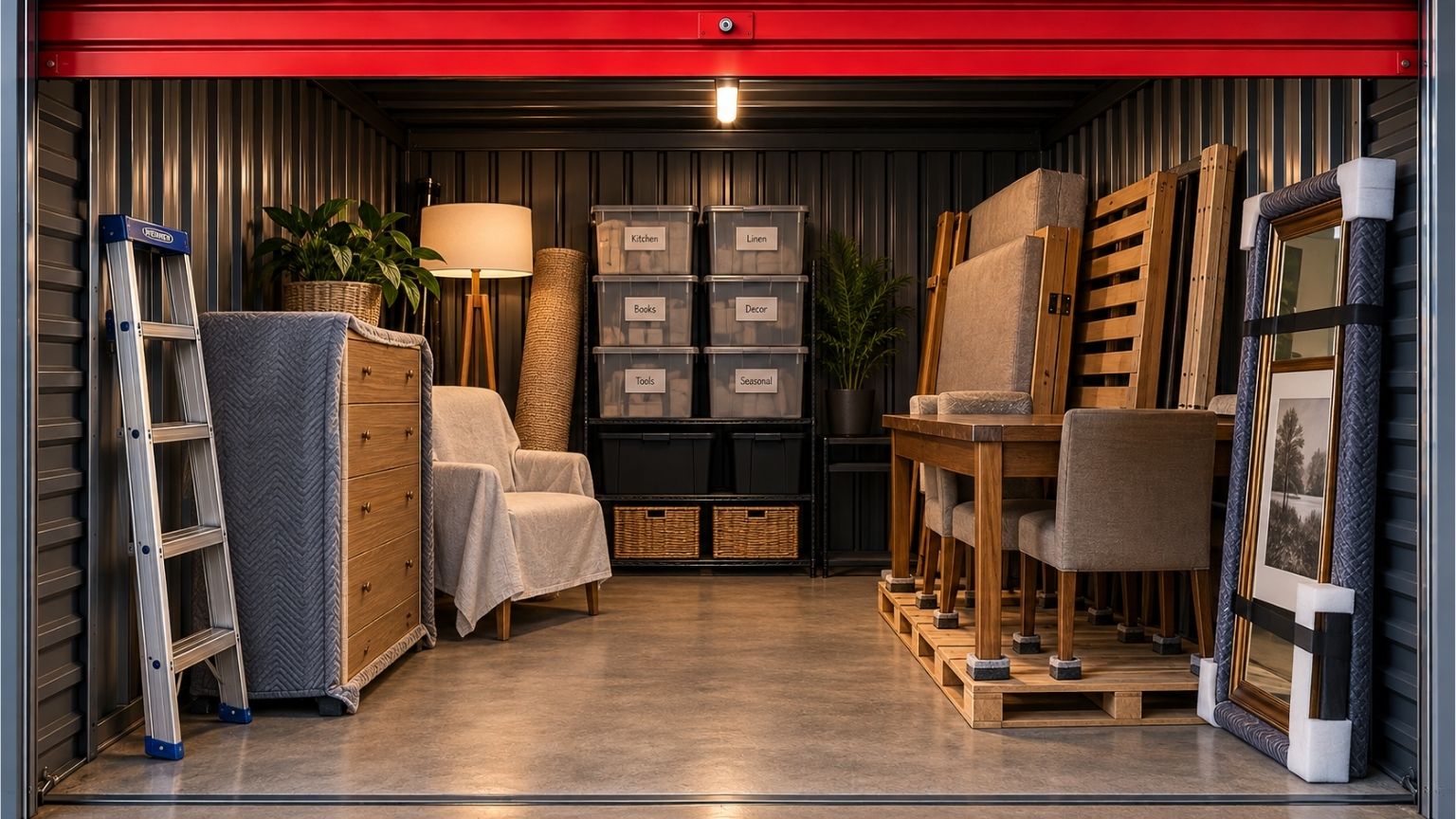
Boxes should be sturdy, labels should protect confidential information, and heavy boxes should rest at a safe level. Shelves can improve retrieval where archive volume is high. A simple internal map of the unit can save time when one file is required months later.
A six-stage archive workflow can support consistency across the business: Review, categorise, label, record, store, and review for lawful disposal.
Extra stock, equipment, and business supplies do not always justify a long-term space commitment. Inospace offers self-storage at several Cape Town business locations, including the CBD, Woodstock, and Maitland, with month-to-month terms that support changing storage requirements.
Security can differ between locations. CCTV, controlled entry, on-site security, and individual unit locks may be available, with site-specific details worth checking before booking.
A professional services SME could move older client files and finance archives out of office cupboards after internal retention checks. The company can retain current files near the team, assign codes to archive boxes, and recover office space for staff, collaboration, or equipment.
An e-commerce or logistics business could separate archived paperwork from stock and dispatch materials. Document boxes can move into dedicated storage while active operational space supports inventory, fulfilment, and team productivity.
Explore Inospace storage in Cape Town and choose flexible space that supports efficient operations, secure archive control, and business growth.
There is no single retention period for every business record. South African tax guidance sets a general five-year period for many tax records, while the Companies Act 71 of 2008 sets seven-year periods for prescribed company records. Audits, disputes, late returns, and other legal duties can alter retention periods, and each record category should be verified before destruction.
Yes. Business records with personal information can go into self-storage, provided the information has suitable security under POPIA. Access controls, company procedures, and secure disposal still apply.
The right size depends on box dimensions, shelves, retrieval space, current archive volume, and expected records over the next year. Inospace offers self-storage in different unit sizes across Cape Town. Measure your archive, allow safe aisle space where regular retrieval is likely, and confirm current unit availability at the preferred location before reservation.
Yes, but the choice depends on how much archive management the business wants to handle internally. Self-storage allows in-house control, while document management provides specialist support for retrieval, digitisation and destruction.
Free office or operational space, organise archived records, and choose secure storage that supports efficient day-to-day work and future growth. Inospace offers flexible business storage across Cape Town for entrepreneurs and companies with changing space requirements.
Explore Inospace storage in Cape Town and find the right space for your business.