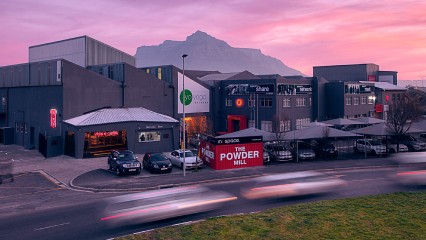
Inospace owns and manages a diversified industrial real estate platform comprising more than 50 properties across three complementary asset classes.
The portfolio is strategically concentrated in high-demand urban nodes and is structured to capture income across multiple tenant segments, from established operators to high-growth SMEs and storage users.

Core Parks are large-scale, multi-building industrial estates typically exceeding 7,500m². Originally developed for owner-occupier manufacturing and industrial use, these assets have been repositioned for modern, diversified multi-tenant occupation.
They provide conventional warehousing, last-mile logistics and light industrial space, anchored by larger tenants and supported by a broad SME base. Core Parks deliver scale, strategic locations and stable income underpinned by essential industrial demand.

Serviced Parks are actively managed, on-site operated multi-tenant estates typically exceeding 5,000m². They provide flexible small-format industrial units, micro-warehouses, workshops and office suites for SMEs, e-commerce operators and light distribution users within branded environments and integrated business hubs.
Permanent on-site teams, shared infrastructure and flexible lease structures drive higher tenant density, diversified income and sustained demand from entrepreneurial and growth-stage businesses.
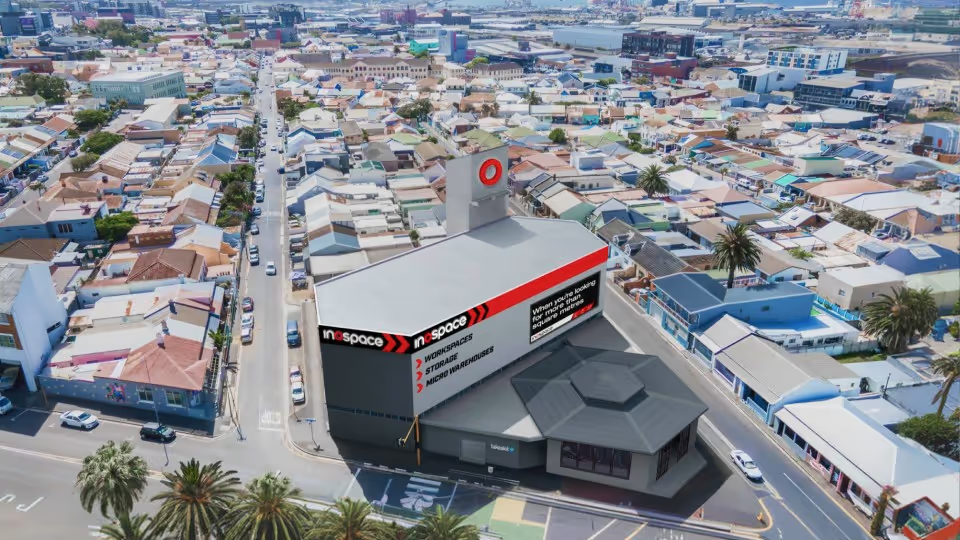
Storage Parks are dedicated self-storage facilities typically exceeding 2,500m², providing secure, scalable storage for businesses and households.
Strategically located in high-demand urban nodes, they support last-mile inventory, business storage and personal storage requirements. These assets generate granular, diversified income with short-duration tenancies and resilient, recurring demand.
The evolution of the portfolio from 2018 to 2025 reflects both material scale and deliberate sector reallocation. In 2018, one year after founding, the portfolio was valued at approximately R750 million, weighted toward manufacturing and traditional industrial assets with logistics representing a smaller proportion.
By 2022, disciplined acquisitions and active asset management had grown the portfolio to R2 billion, with capital progressively reallocated toward logistics-oriented assets.
This repositioning aligned the portfolio with structural growth trends in last-mile distribution, e-commerce enablement and SME supply-chain integration.
By 2025, at approximately R3 billion, the portfolio reflects a clear logistics-led weighting, complemented by industrial assets and a growing allocation to storage. Storage enhances income granularity, reduces lease duration risk concentration and introduces higher-margin, service-driven revenue streams.