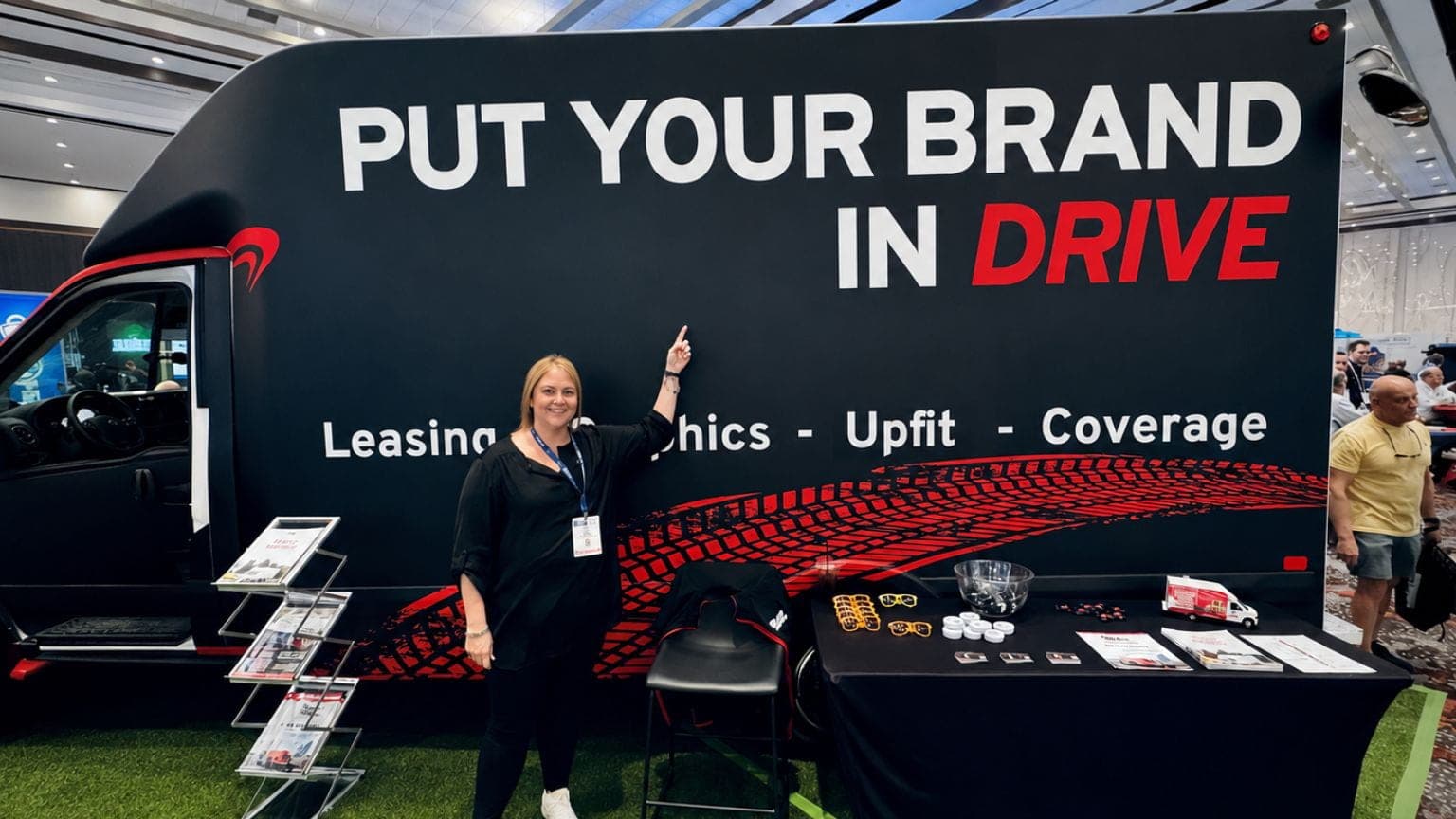
I was recently at an industry conference in the United States - sometimes you need to get out of your own market to see clearly what is happening in it.
What I heard there - across sessions, conversations, and the spaces in between - wasn't specific to one sector or one country. It was a pattern. A shared reckoning with the same uncomfortable truth.
The customer has fundamentally changed. And most businesses are still responding to a version of them that no longer exists. 2031 is not a forecast. It is a description of the person who contacted you this week.
These are the shifts every brand and marketer needs to be paying attention to right now.
Your customer booked a flight, tracked a parcel, paid their account and ordered food with a few taps - all from their phone, all seamlessly, before they ever contacted you. That is the benchmark they are measuring you against. Not your nearest competitor. Every friction point in your business is being judged against the best digital experience they had this week.
Easy booking and fast access got you into the game. What wins it is something harder to manufacture - the feeling that there won't be surprises. That someone will respond when things go wrong and that you are straight with people. By 2031, clarity and confidence are the real competitive edge.
Marketing is not just a campaign. It is every interaction a customer has with your business - before, during, and after the sale. A missed call is marketing. A slow review response is marketing. A confusing invoice is marketing. Your brand is being shaped at every moment, whether you are paying attention or not.
Customers don't experience what you deliver - they experience how it makes them feel. By the time someone reaches out, they've already done the research. They're not looking for information. They're looking for confidence. That confidence is built or destroyed before they ever sign anything.
Your online reputation is always on, always visible, always forming opinions - and it cannot be briefed before a pitch. The businesses gaining ground are not necessarily those with the most reviews. They are the ones whose responses show they actually care. How you handle a complaint publicly says more about your brand than any ad you will ever run.
The 2031 customer researches companies, not just products. How you treat your staff, your stance on sustainability, your data practices - these are no longer CSR footnotes. They are buying signals. A business that looks good but behaves badly gets exposed fast. Authenticity is not a tone of voice. It is a pattern of behaviour over time.
Customers now co-create your brand reputation in real time - they post, tag, share, and review as a reflex. The question is no longer how you manage your message. It is whether you have earned advocates. Community, belonging, and genuine connection are becoming the most durable retention tools available.
Customers expect you to know them and remember them. But the moment it feels intrusive, trust collapses. Getting this balance right is one of the defining brand challenges of the decade. The sweet spot is relevance that feels human - not surveillance that feels automated.
Word of mouth, genuine reviews, and community presence have always mattered. What has changed is the scale and speed at which they now operate. A brand that has built real trust earns attention organically - through advocacy, through reputation, through people choosing to share it. That kind of reach cannot be bought. It compounds over time and becomes increasingly difficult for competitors to replicate. Brand trust is not a soft outcome. It is a growth strategy.
Especially under 40, people increasingly choose who they spend money with based on shared values. This is not sentiment - it is spend behaviour. What does your brand stand for beyond the transaction? If the answer is unclear, that is a marketing problem worth solving urgently.
Customers are not afraid of price increases. They are afraid of surprises. The businesses with the strongest retention don't necessarily charge less - they communicate better. If you can't explain a price increase in a way that feels fair and considered, the problem is your value proposition, not your customer's tolerance.
Customers accept that things go wrong. What they watch for is how fast and honestly you fix it. A complaint handled with speed, transparency, and genuine care creates more loyalty than a flawless experience ever could. Your recovery culture is a brand asset.
The 2031 customer is not looking for perfection. They are looking for confidence - that you are straight with them, that you care, and that you will show up when it matters.
The businesses that get this right now will be very difficult to displace later.
These insights were inspired by conversations at an international industry conference in the United States - and by watching what is already changing in how people buy, trust, and stay.
Which of these resonates most with where your business is right now? Let us know.