Every product on a shop shelf or delivered to a customer's door is usually passed through a warehouse. That role has turned industrial property into a growing area of interest for investors.
Not every warehouse turns into a good long-term investment. Rent helps, but the result depends on the property’s position, depth of tenant demand, lease agreement, and building standard.
Key Takeaways:
The route between a warehouse and its customers can influence its appeal as much as the building itself. Sites close to ports, national roads, and established logistics networks are well placed for businesses that depend on regular deliveries.
Lower transport costs can make those locations more attractive to tenants planning for the long term.
💡 Investor insight: In industrial property, a smaller building in the right logistics area can be worth more than a larger site in the wrong place.
Not every warehouse offers the same level of functionality. Features such as the internal layout, storage design, and access for trucks can make one property much easier to use than another of an equivalent size.
Flexibility is equally important because tenant requirements are unlikely to remain the same forever.
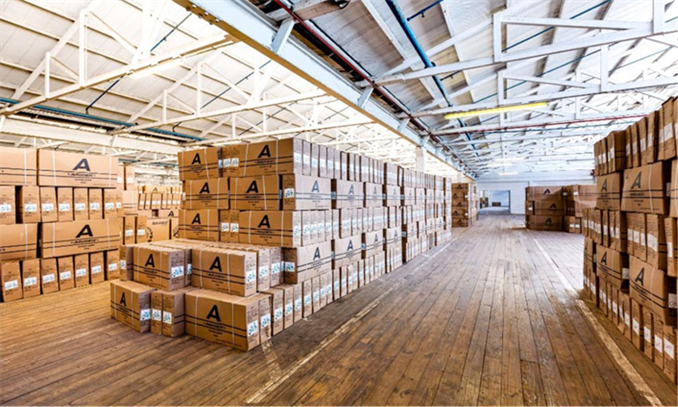
Maintenance is where a warehouse investment can become expensive long after the sale has gone through. A neglected roof, cracked floors, or failing services can turn into major capital work.
Tenants want a building that helps them trade, store, load, and dispatch without constant problems. If the infrastructure fails them, the rent becomes easier to question.
Key Considerations:
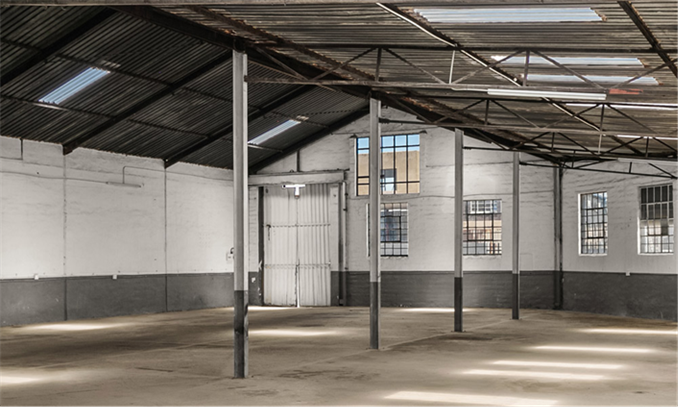
Before signing anything, it is worth asking a simple question: how many warehouses nearby are standing empty?
A busy industrial area where vacant space disappears quickly usually tells a different story from one where "To Let" boards have been standing for months. Those numbers give investors a sense of how dependable future rental income may be.
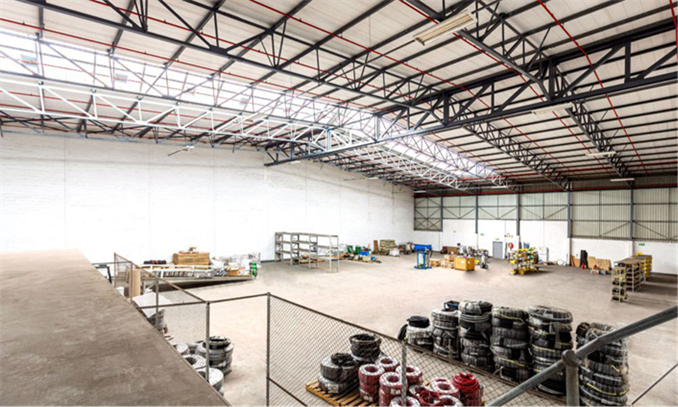
The lease is where the investment either gets breathing room or becomes boxed in. A long lease can steady the income for a while, but a flexible lease gives the owner more choice when rents, tenants, or market conditions change. That can make vacancies easier to manage.
Always consider the following:
The best warehouse location will not help much if the property cannot legally support the tenant’s operation.
Zoning, planning consent, and building-code compliance all need to be checked before purchasing. Restrictions in those areas can reduce rental appeal and limit what the property can become later.
Investors are drawn to warehouses because the demand is tied to genuine business activity. Logistics companies, manufacturers, and e-commerce operators need space that helps stock move through the system.
The best warehouse investments usually start with the basics: a tenant that pays on time, a lease that does not expire too soon, space that is properly occupied, and a location that trucks can reach without trouble.
Every online order begins long before a delivery vehicle reaches a customer's door. Products first pass through warehouses, distribution centres and logistics hubs.
As online retail continues to expand and logistics infrastructure develops, the need for industrial warehouse space has remained an important feature of the South African property market.
A warehouse with the right tenant can produce rental income for years without the frequent turnover seen in some other commercial properties. Demand from transport companies, distributors and online retailers has also given many industrial areas a consistent pool of prospective tenants.
Investors need to look past the rent figures. A warehouse in the right logistics area, with a decent tenant, sensible lease terms and a building that will not drain money through repairs, has a vastly different risk profile from one surrounded by vacancies.
Some industrial warehouses have characteristics that investors associate with lower risk, but there is no guarantee. A vacant building, a tenant in financial difficulty or a weak leasing market can all affect rental income and future returns.
Lease structure can have as much influence on an investment as the warehouse itself. It determines how long rental income is expected to continue, when rental terms can change, and what happens when the agreement ends.
Industrial warehouses continue to offer strong long-term potential driven by logistics growth and e-commerce expansion across South Africa.
To explore opportunities aligned with modern industrial and logistics requirements: